


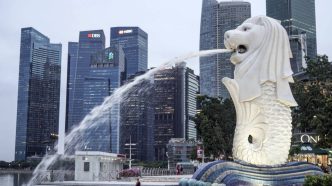
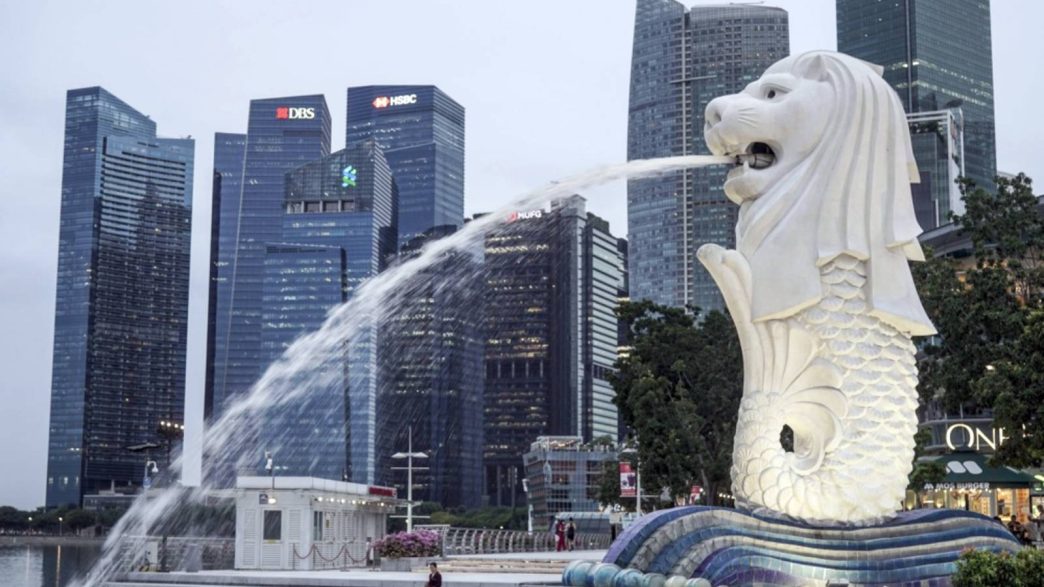
Singapore’s trade ministry said last month it would maintain its forecast for the economy to expand by between 2% and 4% in 2026. (EPA Images pic)
SINGAPORE: Singapore’s economy risks slower growth and higher inflation in the second half of the year as the fallout from the Middle East war feeds through more fully, prime minister Lawrence Wong said on Monday.
The trade-reliant city-state’s economy expanded by 6% year-on-year in the first quarter, buoyed by surging demand for artificial intelligence chips.
However, Wong said the impact of the US- and Israeli-led war against Iran, which began on Feb 28, had yet to be fully reflected in the data.
“It’s good that we ended up better than we expected, and it reflects the diversity and strength of our economy,” he told a forum organised by the Singapore Press Club.
“But the outlook remains uncertain… we have not felt the full effects of the crisis yet.”
The effects of higher oil prices due to the disruption to shipping in the Strait of Hormuz will only be felt later, he said.
The global economy has adapted better than expected to the crisis, supported by rerouted shipping, alternative energy supplies from other oil exporters and countries tapping strategic reserves.
However, “how long will the disruption last… and how long will these buffers last?” Wong said.
“That’s an open question. And if the disruption, if the closure of the Hormuz Strait… continues for more months, then the buffers start to dwindle,” he said.
“There are downside risks, and we do expect more pressures to come on both growth and inflation in the second half of the year.”
Singapore’s trade ministry said last month it would maintain its forecast for the economy to expand by between 2% and 4% in 2026 due to better-than-expected growth in the first quarter.
However, it also said it would continue to monitor global developments and adjust its forecast if necessary.